





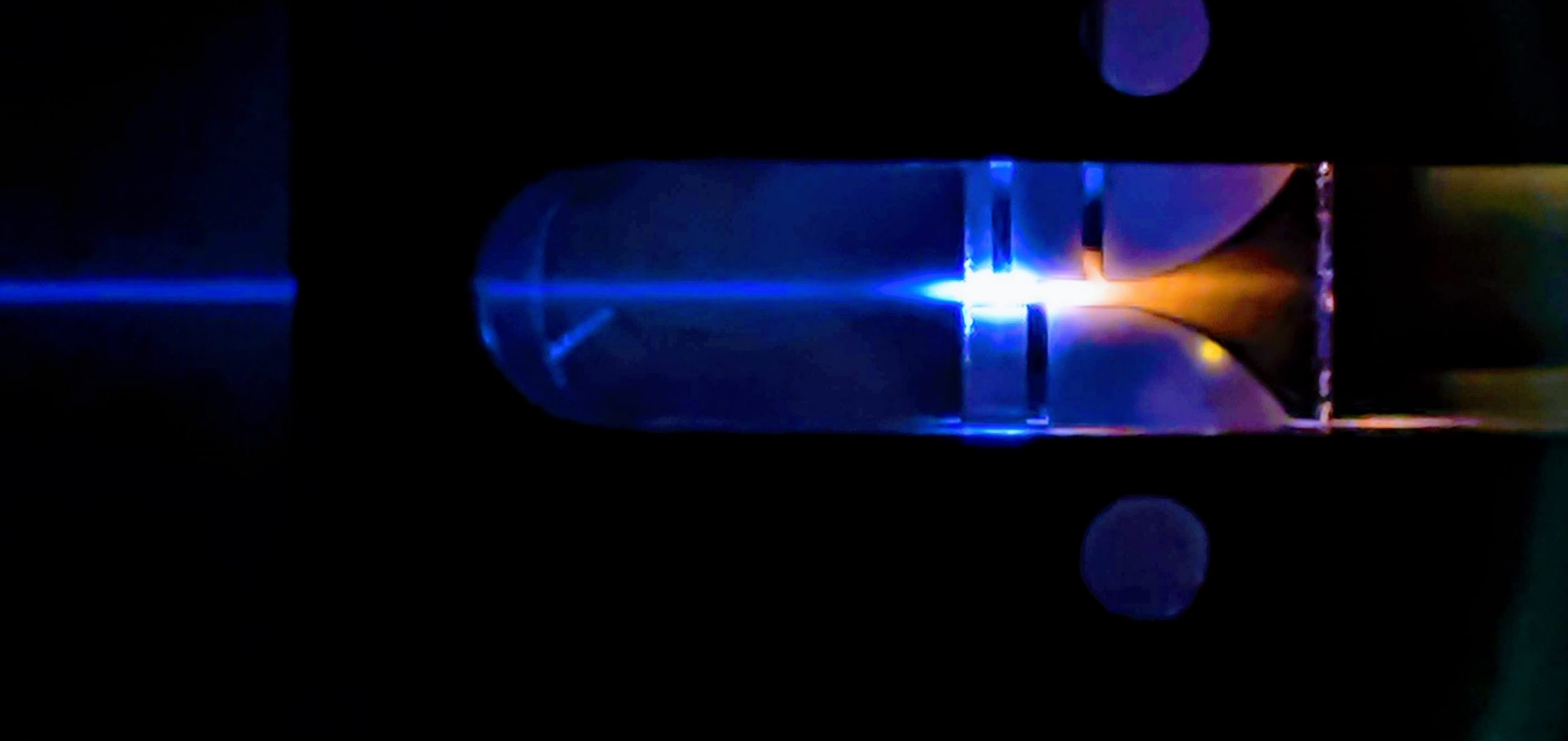
The PALLAS project (Prototyping Accelerator based on Laser pLASma technologies), developed at IJCLab (Irène Joliot-Curie Laboratory of Physics of the Two Infinities) in collaboration with LLR and LP2I Bordeaux of CNRS Nuclear and Particles and Université Paris-Saclay, has produced its first electron beam in a double gas cell directly integrated into an accelerator's beamline. This world first marks a major milestone in the development of next-generation compact acceleration technologies based on laser-plasma wakefield acceleration. Credit photos : Dominique Longieras (IJCLab).
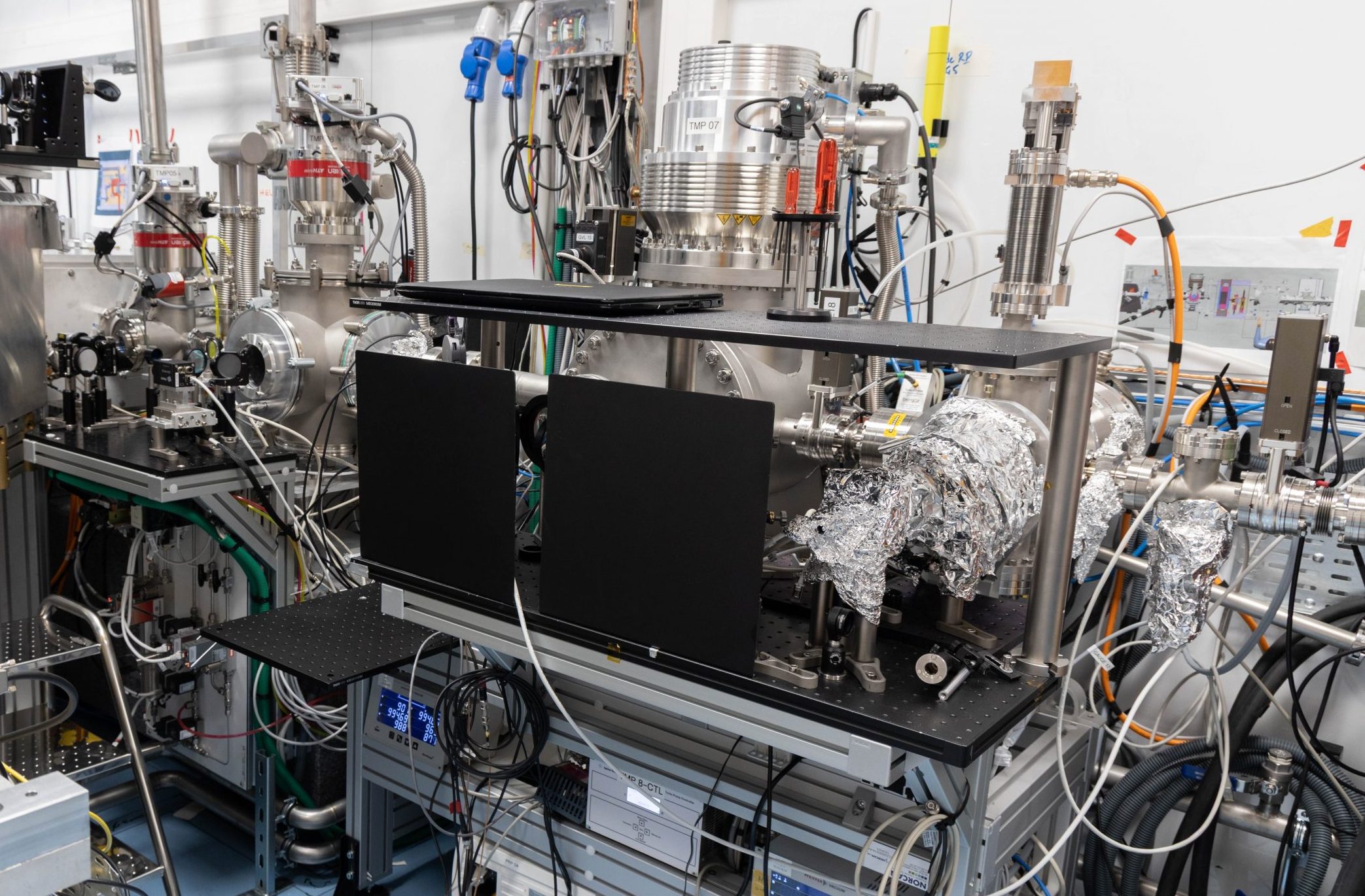
PALLAS accelerator beamline view
PALLAS at the heart of the European EuPRAXIA and PACRI infrastructures
This project is part of EuPRAXIA (European Plasma Research Accelerator with Excellence in Applications), the first European research infrastructure dedicated to plasma accelerators. Listed on the ESFRI (European Strategy Forum on Research Infrastructures) roadmap in 2021, which identifies research infrastructures of strategic importance for Europe over a 10-20 year horizon, EuPRAXIA aims to build innovative accelerators at Frascati (INFN, Italy) and ELI-Beamlines (Czech Republic) for applications in medical imaging, biomolecular research and materials science.
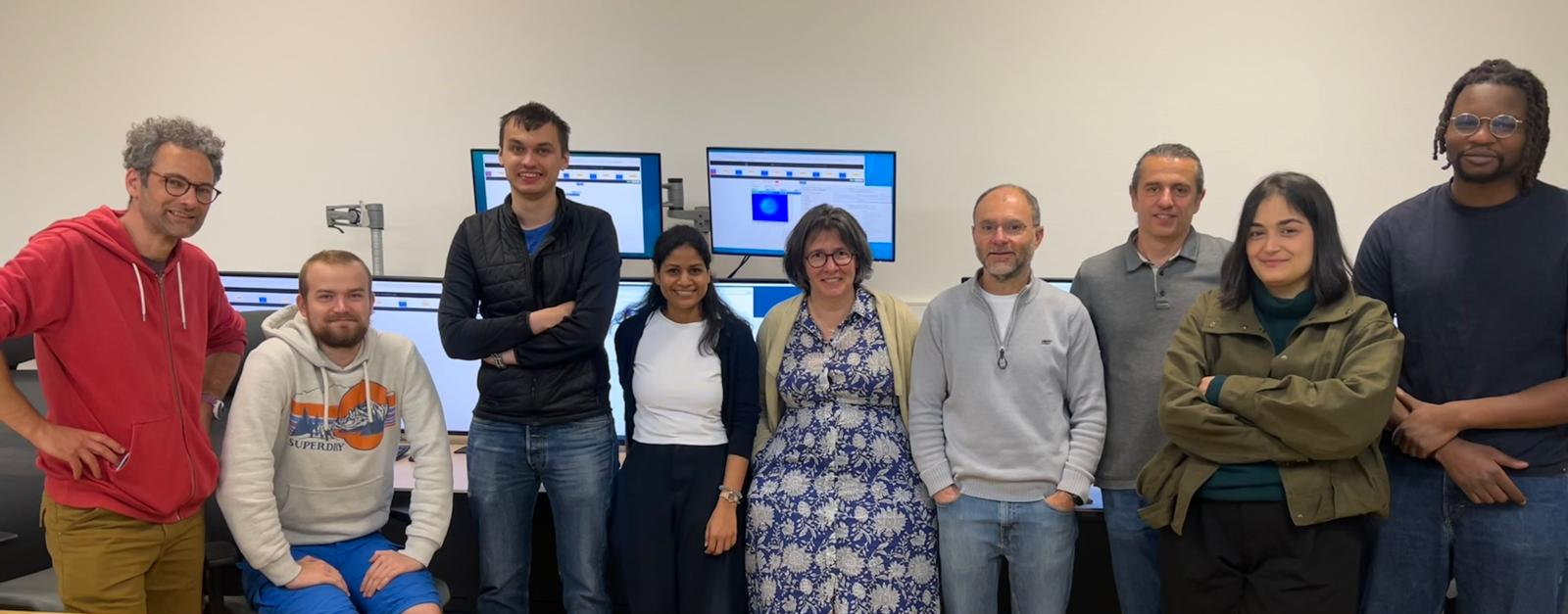
Members of IJCLab’s PALLAS team in the control room
With PALLAS, IJCLab also plays a central role in the INFRATECH PACRI project (Plasma Accelerator systems for Compact Research Infrastructures) as the main French contributor. Coordinated by Elettra (Trieste synchrotron), this consortium of 26 European partners brings together CERN, CNRS, Amplitude Laser and Thales, among others, to develop plasma accelerators as a sustainable solution for reducing the carbon footprint of research infrastructures.
160 MeV achieved using a plasma cell just millimetres long
During an initial testing campaign conducted in early summer, the team accelerated electrons up to 160 megaelectronvolts (MeV) using a plasma cell just a few millimetres long. IJCLab researchers achieved a major breakthrough by producing an electron beam in a compact dual gas cell designed and manufactured at the laboratory, directly integrated into the beamline. This device enables control of the gas density profile and species composition over sub-millimetre lengths.
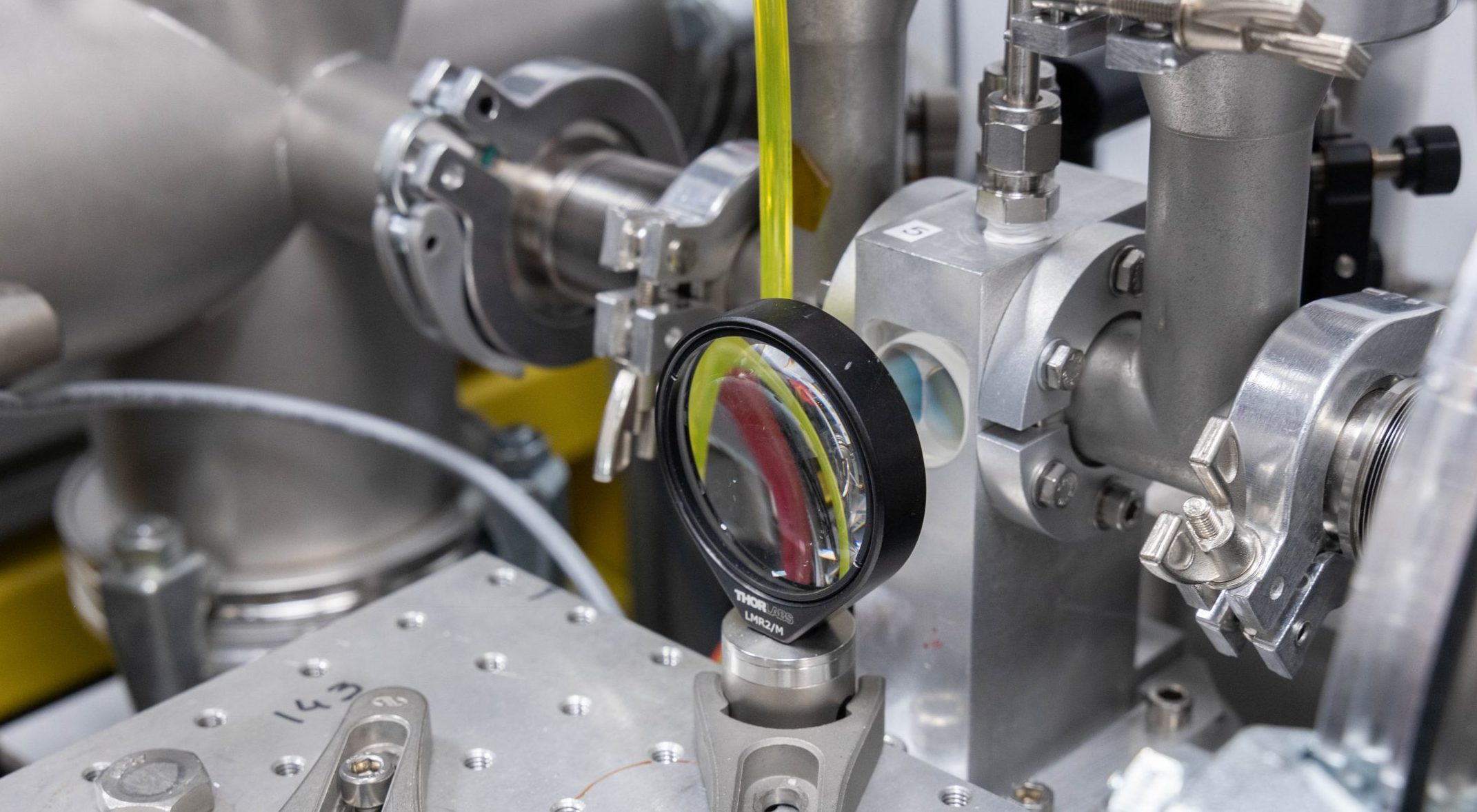
View of the double gas cell of the PALLAS beamline
The LASERIX laser powering acceleration
The LASERIX platform at Université Paris-Saclay, affiliated with IJCLab since 2020, delivers 50-terawatt ultra-short pulses lasting 40 femtoseconds. These pulses propagate through a mixture of helium and nitrogen, creating a plasma where electrons are accelerated by the wakefield, much like a surfer riding a boat's wake. The repetition rate, currently 1 Hz, will be increased to 10 Hz within the year. An industrial collaboration with Amplitude Laser has begun to improve the reliability of high-intensity lasers.
Towards compact accelerators for research, medicine and industry
Laser-plasma technology offers acceleration gradients up to 1000 times higher than conventional radiofrequency systems, paving the way for far more compact facilities for fundamental research, medicine and industry. Platforms such as PALLAS are essential for improving beam stability and quality before any integration into large-scale infrastructures or hospital environments.